RCIP becomes permanent: the Rural Community Immigration Program opens January 1, 2027
The rural pilot closes January 1, 2027 and becomes a permanent program with the same 14 communities. What to do if you hold a recommendation, and what changes for employers.

On November 9, 2026, Immigration, Refugees and Citizenship Canada (IRCC) announced that the Rural Community Immigration Pilot becomes a permanent program. The pilot closes on January 1, 2027, and the Rural Community Immigration Program opens the same day, with the same 14 participating communities and the same core requirements. The francophone route stays a pilot.
What changed on November 9, 2026
The rural pilot launched in January 2025. It now moves from a time-limited pilot to a permanent economic immigration program. The model stays the same: each community sets its own priority sectors and occupations, vets and designates local employers, and recommends candidates to IRCC. IRCC is adding stronger integrity measures, including mandatory training for designated employers and monitoring and reporting requirements.
The 14 participating communities
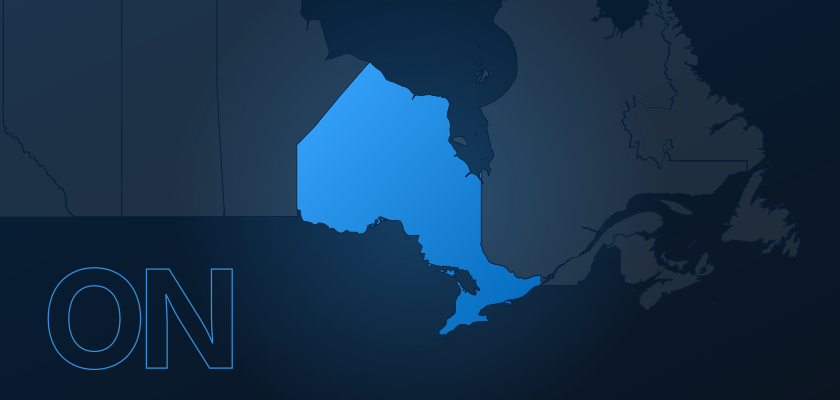
Pictou County (NS); North Bay, Sudbury, Timmins, Sault Ste. Marie and Thunder Bay (ON); Steinbach, Altona/Rhineland and Brandon (MB); Moose Jaw (SK); Claresholm (AB); and West Kootenay, North Okanagan Shuswap and Peace Liard (BC). See each community’s priority occupations and intake windows.
If you already have a community recommendation
If your recommendation is dated December 31, 2026 or earlier, apply for permanent residence under the pilot before the recommendation expires. Recommendations are time-limited, so do not wait for the new program to open. IRCC keeps processing pilot applications it has already received, and if you are eligible you can still apply for a work permit so you can keep working while your application is processed.
If you do not have a recommendation yet
You will apply through the permanent program. To qualify you need:
- a recommendation certificate from a participating community
- a job offer from an employer that community has designated
- at least one year (1,560 hours) of related work experience in the past three years
- an approved language test result
- a Canadian educational credential or the foreign equivalent
- enough settlement funds to support yourself and your family
IRCC lists processing fees starting at $1,590.
What it means if your work permit is expiring
Many graduates of one- and two-year Canadian diplomas cannot reach an Express Entry cut-off before their work permit ends. A permanent rural program means this route will not disappear when the pilot would have ended, so a move to a participating community can be part of a longer plan rather than a race against a deadline. The starting point is still a job offer from a designated employer in a priority occupation, and you must genuinely intend to live in that community. Check the work experience rules and the graduate exemption before you relocate.
What it means for employers
Designated employers will face mandatory training plus monitoring and reporting requirements. If your business is in a participating community and you are already designated, expect your community to contact you about the new obligations before you make further offers under the program.
Sources: IRCC, Overview of the Rural Community Immigration Program (November 9, 2026); IRCC, Rural Community Immigration Pilot; IRCC, Rural Community Immigration Program.
Questions, answered
When does the Rural Community Immigration Program start?
January 1, 2027. The Rural Community Immigration Pilot closes the same day.
What happens to my RCIP community recommendation?
If it is dated December 31, 2026 or earlier, apply for permanent residence under the pilot before it expires. IRCC keeps processing pilot applications it has already received.
Are the communities changing?
No. The same 14 rural communities continue in the permanent program.
Is the Francophone Community Immigration Pilot also permanent now?
No. Only the rural route has been made permanent. The francophone route remains a pilot.
Do I still need a job offer?
Yes. You need a job offer from an employer the community has designated, then a community recommendation, before you can apply for permanent residence.